Money, Money, Money
We all participate in a capitalist system that places the majority of wealth and decision making in the hands of very few.
Whether we want to or not, we all participate in a capitalist system that places the majority of wealth and decision making in the hands of very few.
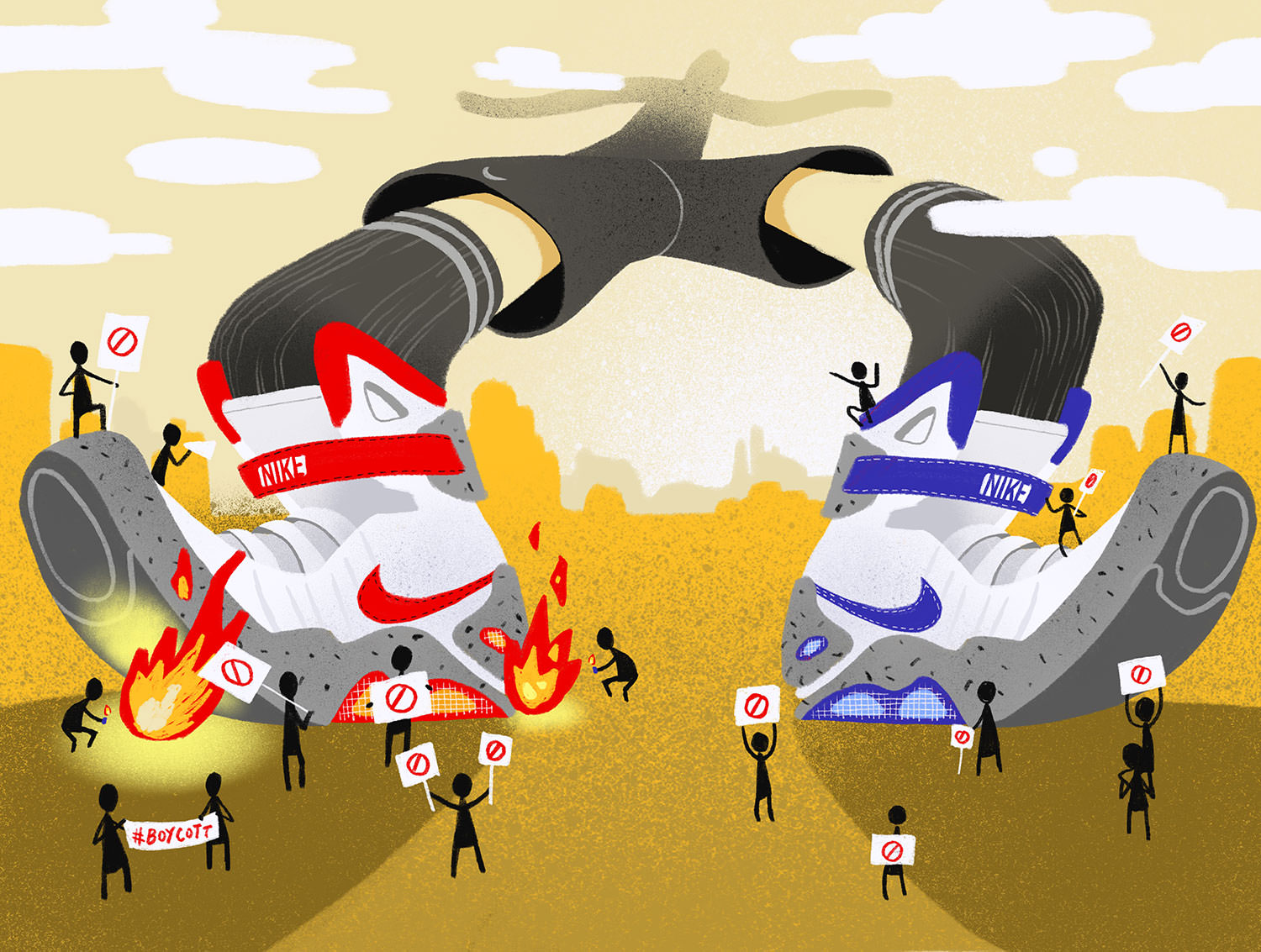
The world’s richest 1 percent own more wealth than the rest of the global population combined, while those in poorer countries see their natural resources exploited. Billionaires like Jeff Bezos continue to amass extraordinary wealth, while many of his Amazon warehouse workers rely on food stamps. More than 10 percent of employees at “the happiest place on Earth” have experienced homelessness in the last two years; 68 percent are “food insecure”, lacking sufficient access to safe and nutritious food. The president at the University of Southern California, my alma mater, is paid almost $2 million annually, while non-tenure track faculty, who teach the majority of classes, are paid $5,000 per course.
How was such accumulation of wealth and inequity addressed by Jesus? In the Gospels, a rich man approaches Jesus, asking how one inherits eternal life, aside from keeping all the commandments. Jesus answers, “Go, sell your possessions, and give to the poor. Come, follow me.”
In Mark, an extra commandment is added: “You shall not defraud”. Luke includes Jesus’ encounter with Zacchaeus the tax collector several lines after Jesus’ encounter with the rich man, providing a contrast between the two men’s responses. One, upon hearing what must be done, becomes sad because of his great wealth and his inability to let go of his possessions, and walks away. The other, in the face of Jesus’ presence, proclaims that he will give half of his possessions to the poor and pay back four times those he had cheated, out of recognition that his wealth was sustained by unequal economic conditions.
With these accounts, we consider not only the issue of accumulating things, but also the unjust structure of defrauding and exploiting others to accumulate wealth. Jesus’ teachings are replete with teachings against wealth and storing treasures on earth, for “no one can serve two gods ... You can’t worship God and wealth both.” (Matthew 6:24)
If worshipping God includes loving your neighbor, worshipping wealth in a capitalist system means exploiting your neighbor.
As we examine how capitalism allows rich individuals and companies to enslave our sisters and brothers, devalue the disabled and elderly, and take advantage of the poor, what is our response? Do we choose the path of abundantly interconnected lives? Or will we cling to the idea that our wealth will save us and walk away?